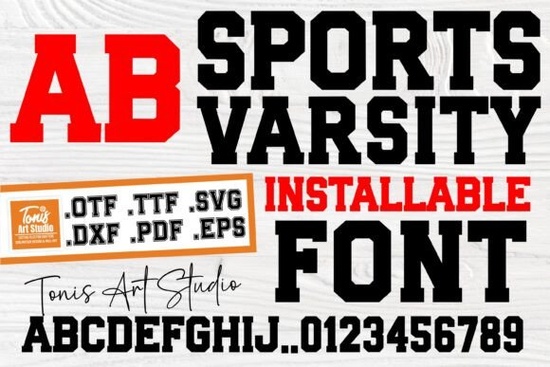
Who actually benefits from using athletic-style typefaces?
Designers reach for varsity-style lettering when they need something bold enough to read from a distance but traditional enough to feel familiar. This works especially well for small apparel businesses making gifts for high school or college athletes. The blocky shapes hold up when printed on fabric, vinyl, or cardstock. Hobbyists using digital cutters also appreciate how solid strokes translate cleanly into cut files without fragile gaps. If your recent projects focus on school spirit events, weekend tournaments, or alumni reunions, a dedicated sports typeface keeps your layout consistent.
How does the lettering perform on different craft materials?
Before printing or cutting, consider how the characters interact with your medium. Smooth cotton and polyester show off crisp edges perfectly. On textured canvas or wood blanks, you may need to increase the point size to maintain readability. Many makers pair this style with a flowing handwritten typeface to balance layouts for graduation announcements or commemorative plaques. Always test a single piece before committing to a large batch.
For modern team branding, minimalist layouts with generous white space work best on stickers, water bottles, and laptop sleeves. Adding a rough display option can simulate painted stadium signs without extra file layers, giving mockups a grounded feel.
What design projects actually need this specific style?
Athletic typography extends beyond standard sports gear. Small business owners use it for gym logos, coaching certificates, fitness flyers, and youth camp materials. The structured numbers are particularly useful for scoring boards and team rosters. POD sellers combine these letters with simple geometric shapes or mascot graphics to create listings that appeal to coaches and parents. College merchandise sells better when the lettering matches official campus aesthetics. Traditional color combinations, like navy with white or maroon with gold, help preserve that authentic look.
How do I mix varsity letters with other typography styles?
Pairing heavy block characters with the right secondary font prevents clutter. A straightforward sans-serif handles body copy and pricing details well, while an elegant serif choice creates useful contrast beneath athletic headers. Maintain hierarchy through size and spacing rather than heavy outlines. Some creators blend varsity letters with a seasonal display type for holiday tournaments, keeping designs relevant year-round. Let the athletic characters stay as the focal point while supporting text remains quiet.
What licensing and file setup tips should I follow before selling?
Always review commercial usage rights before uploading products to online shops. Standard licenses usually cover printed goods and cut files, but check for print run limits or template restrictions. Organize working files by keeping text, backgrounds, and vector shapes on separate layers. This structure makes it easy to update rosters or adjust colors for new clients. You can compare how athletic weights scale by reviewing Archivo Black, which shares similar structural traits for reference.
Quick next steps to streamline your workflow:
- Save master files with editable text layers for fast name swaps.
- Run a single test cut at your target size to verify clean edges.
- Limit designs to two typefaces for better readability on small products.
- Maintain a shared color palette document to match client brand requirements.
- Export a low-resolution preview for approval before generating final production files.
 Cormorant Garamond: a Modern Classic Font
 Grinched 2.0 Font Download & Christmas Design Ideas
 Designer Fonts: Creativity for Your Projects
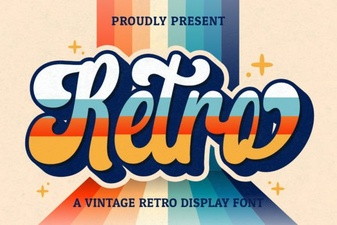 Retro Script Fonts for Creative Design Projects
 Festive Christmas Font Styles for Welcoming Designs
 Retro Fonts for Creative Kids' Projects