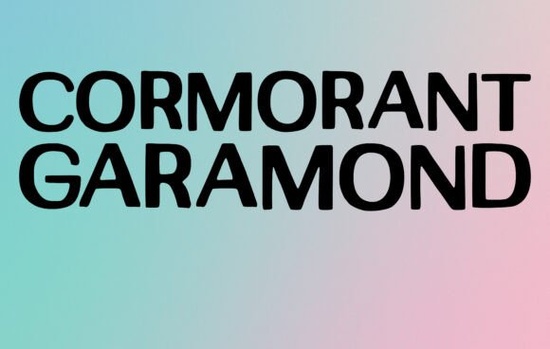
Finding a reliable serif typeface that balances classic elegance with modern screen readability is often the hardest part of any creative project. The Cormorant Garamond Font solves that problem by offering sharp, legible letterforms that work seamlessly as both display titles and long body paragraphs. Designers, print-on-demand sellers, and small business owners frequently choose it when they need a versatile type family that feels professional without looking stiff. It bridges the gap between traditional print typography and fast-paced digital content.
When does this typeface work best for print and digital layouts?
Legibility drives every successful design, and this family delivers exactly that. Its open counters and carefully proportioned serifs prevent text from blurring on screens or small print runs. You will notice the difference immediately when setting up magazine spreads or editorial blogs. The thinner strokes hold up well in large headlines, while the regular and bold weights stay comfortable for long reading sessions. If you manage branding assets or draft clear newsletters, this typeface keeps your message readable at any size. Proper tracking settings ensure that letters breathe naturally on crowded mobile screens.
Many creative hobbyists pair it with complementary sans serif fonts to build layered social media graphics. Looking for a more distressed display option for vintage posters gives you flexibility while keeping this serif as your primary reading font. The contrast between a clean serif and a decorative type creates visual hierarchy without overwhelming the viewer. When planning seasonal campaigns, consider how different weights respond to background photos and negative space.
How can crafters and small business owners apply it to physical products?
Wedding stationery designers rely heavily on typefaces that feel refined yet approachable. When printed on heavy cardstock or textured linen, the fine details catch the light naturally. Save-the-date cards, RSVP envelopes, and thank-you notes all benefit from its graceful curves. The same logic applies to apparel and home goods. If you run an online shop, placing the bold variant across a crewneck shirt or tote bag gives a subtle, high-end feel that customers appreciate. It also works beautifully for ceramic transfers and vinyl cutouts where clean edges matter.
Print-on-demand sellers should always test how thin strokes behave on different fabric finishes. Dark garments often require slightly heavier weights to prevent fading during heat transfer. Exploring a relaxed beach-inspired typeface can balance the serious tone of a classic serif when designing summer merchandise. Trying a playful companion option helps soften formal layouts for children’s book covers or nursery wall art. The key is matching the visual weight to your production method and target audience.
What makes it stand out from other classic serif options?
Traditional book fonts often sacrifice screen clarity for print accuracy, but this family adjusts the spacing to accommodate modern workflows. You get multiple weights that stay consistent across different point sizes. Kerning is already tightened, which means you spend less time fixing awkward gaps between capital letters. When compared to older transitional serifs, the curves feel smoother and the descenders sit at a comfortable length. This attention to optical balance helps your layouts feel polished without requiring constant manual adjustments.
For branding, consistency matters more than fleeting trends. A well-chosen serif builds trust because it reads like established publishing standards. Whether designing a logo mark, product label, or website header, the uniform stroke thickness keeps your identity stable across platforms. If your project leans into bold athletic aesthetics, you can still use this typeface for fine print and supporting details while letting a heavier display font take center stage. Adding a thick block lettering style for main headings creates strong focal points on crowded retail packaging.
How do you pair it without creating visual clutter?
Beginners often stack too many heavy typefaces on a single canvas. Start with a simple rule: use this serif for one primary role and pick a clean geometric sans for the other. Keep size ratios clear, such as making your headline roughly twice the point size of your body text. Test your layout in grayscale first to verify that contrast holds. Remove any decorative borders or heavy drop shadows until the typography carries the message on its own. Good spacing and consistent margins will do more for your design than adding extra embellishments.
- Test print samples before committing to large batches, especially on textured or dark materials.
- Check screen rendering at full zoom to verify that thin strokes remain visible and do not pixelate.
- Limit your palette to two type families maximum to maintain a clear visual hierarchy.
- Adjust line height to roughly 1.5 for body paragraphs to improve reading flow on mobile devices.
- Export at 300 DPI for all physical print jobs to preserve crisp serif details.
Take your time setting up the base layout before layering colors, textures, or graphics. When the typography stands on its own, the rest of your creative process moves faster and produces consistent results across every customer touchpoint.
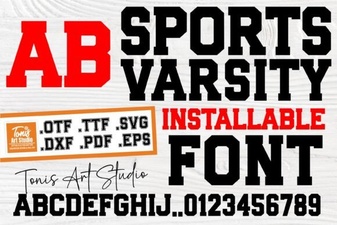 Varsity Fonts for Sports Design Projects
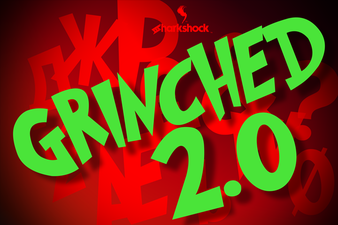 Grinched 2.0 Font Download & Christmas Design Ideas
 Designer Fonts: Creativity for Your Projects
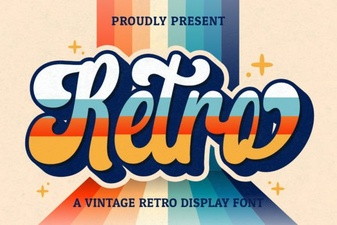 Retro Script Fonts for Creative Design Projects
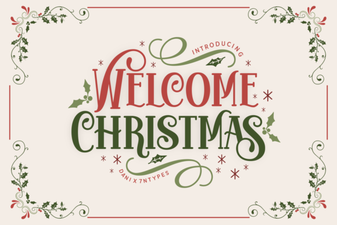 Festive Christmas Font Styles for Welcoming Designs
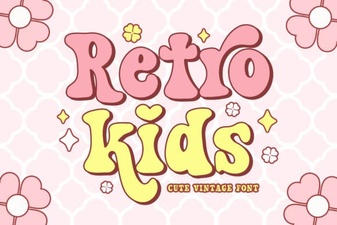 Retro Fonts for Creative Kids' Projects