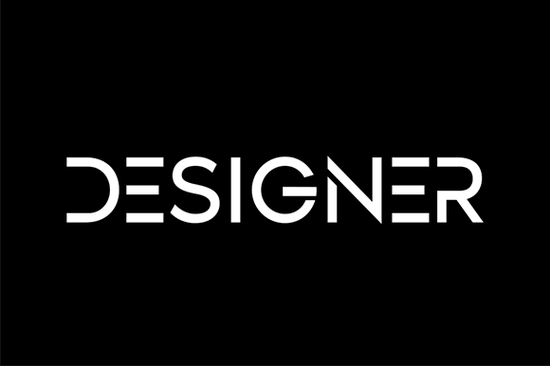
Why does this typeface work well for both formal layouts and casual crafts?
Many display styles lean heavily toward one aesthetic, which limits their versatility. This particular font strikes a middle ground by keeping letter spacing consistent and avoiding exaggerated flourishes. The clean strokes make it easy to read on packaging labels, event invitations, and digital banners. Crafters often appreciate how it pairs with subtle background textures without competing for attention. When you need something approachable yet polished, the neutral character shapes help your actual design elements take center stage. Small business owners who sell handmade goods find that this balance improves shelf appeal and keeps branding consistent across different product lines.
How can print-on-demand sellers and designers use it in real projects?
Print-on-demand workflows require files that scale cleanly and maintain sharp edges at various resolutions. Because the characters are structured with straightforward geometry, you can resize quotes, slogans, or brand marks without losing legibility. I have found it particularly useful on tote bags, mugs, and wall art where readability matters just as much as style. If you are building a seasonal collection, try layering the letters over soft watercolor washes or minimalist line illustrations. You can also experiment with similar bold texture styles when you want to add a tactile feel to apparel mockups, or swap to a playful handwritten alternative for children’s room prints and nursery decor.
Which design layouts pair best with these clean letterforms?
The straightforward silhouette works naturally in centered alignments and left-justified blocks. For social media graphics, place the main text near the top or center with generous padding so the eye can rest on the letters. Wedding and lifestyle photographers often use it for pricing guides, package lists, and website headers because it feels professional without looking corporate. When you want to mix typographic styles, consider combining it with a flowing script option for accent words. Sports-themed shops and campus apparel brands sometimes lean toward athletic block letters instead, but if you prefer a softer, modern look, this clean display type keeps the layout breathable and organized.
What should you check before downloading and installing it?
Most creators already know the basics of font management, but a few quick steps will save time later. Always verify the license type for commercial use, especially if you plan to sell physical goods or digital templates. Check the included file formats, such as OTF or TTF, to confirm compatibility with your preferred design software. After installation, open your program and type out a quick test phrase at multiple point sizes. Pay attention to how the kerning handles specific letter pairs like AV, To, and ry. If the spacing feels tight in certain combinations, adjust the tracking slightly rather than forcing manual shifts. For tropical or summer-themed campaigns, a coastal display style might complement your layout, but keep the overall hierarchy simple so your main message stays readable.
Quick checklist before publishing your final design
- Verify commercial licensing matches your product type and sales channel.
- Export test prints at 300 DPI to confirm edge sharpness on physical materials.
- Check contrast ratios against background colors for accessibility standards.
- Save a master file with unflattened layers so future edits remain simple.
- Review tracking and line spacing at both full and reduced scale.
Next step: Open your current template, replace the existing headline with this typeface, and adjust the tracking until the text feels balanced. Print a single draft copy to check real-world readability before finalizing your product listing.
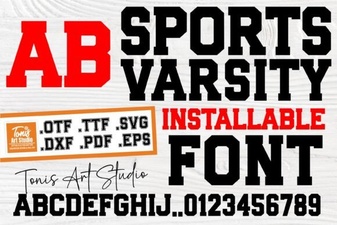 Varsity Fonts for Sports Design Projects
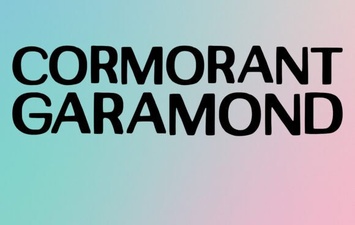 Cormorant Garamond: a Modern Classic Font
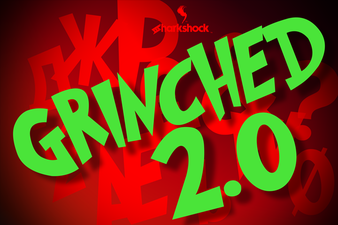 Grinched 2.0 Font Download & Christmas Design Ideas
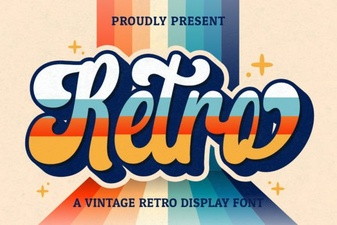 Retro Script Fonts for Creative Design Projects
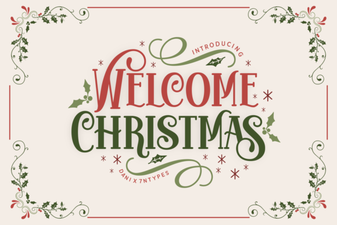 Festive Christmas Font Styles for Welcoming Designs
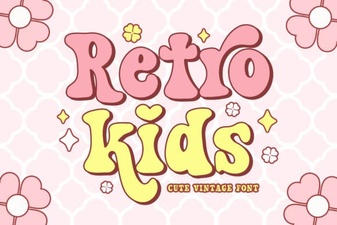 Retro Fonts for Creative Kids' Projects