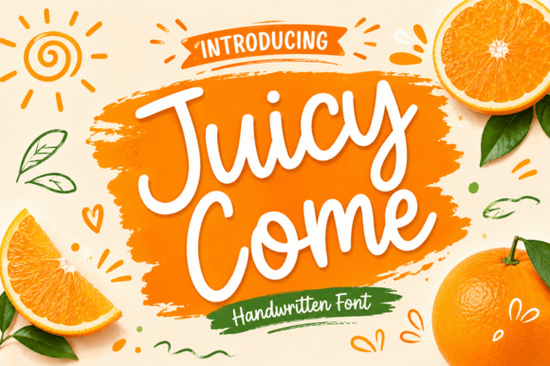
If you are looking for a lively, summer-ready typeface that brings energy to casual projects, Juicy Come Font delivers exactly that. It is a fluid handwritten script built with rounded edges and organic strokes that mimic natural pen movement. This makes it especially useful for print-on-demand sellers, craft shop owners, and small businesses that want to add a friendly, approachable feel to seasonal promotions, packaging, or digital signatures. Rather than relying on rigid geometric letters, this typeface leans into a relaxed, hand-drawn aesthetic that feels both intentional and effortless.
When should you choose a playful handwritten script for branding?
The right moment to switch to a casual script is when your message needs warmth instead of corporate formality. Summer campaigns, beverage labels, children’s product tags, and boutique invitations all benefit from letters that feel personal. You will notice that rounded terminals and slightly uneven baselines create a human touch that standard sans-serif fonts cannot replicate. When you need to keep layouts light and approachable, consider pairing your main typography with resources like a playful kids crayon font to maintain a consistent, family-friendly tone across your entire product line.
How does this typeface handle different layout sizes?
Handwritten styles often struggle when scaled too small or set at wide tracking, but this particular script keeps its character thanks to balanced proportions. It works well as a headline, a focal point on apparel mockups, or a decorative accent on retail tags. If you are building out multiple seasonal storefronts, many creators find it easier to manage their assets by purchasing a complete handwritten font bundle that covers various styles. This way, you maintain typographic consistency without switching designers halfway through a project.
Can you mix it safely with structured or contrasting typefaces?
Layering a loose script over a clean, geometric font is a reliable way to guide the viewer’s eye without overwhelming the design. Place the script at the top of a poster or above a product name, then use a neutral typeface for body copy. For visual contrast in layered merch, try setting background words using the Kayla outline font while keeping your main message in the primary script. If you are designing romantic stationery or wedding favors, the Hey Baby font offers a softer, more delicate pairing option. Journal-style layouts and everyday planner stickers also look natural when you introduce the Sometimes font alongside bolder display letters.
What file formats and commercial licensing details should you review before printing?
Before uploading any typography to a print platform or sending it to a commercial printer, always verify that the file type matches your workflow. OpenType files work smoothly in vector editors, while TrueType is usually fine for standard layout applications. Check whether the license covers physical goods, digital templates, and bulk reproductions. If you want to explore how commercial rights typically apply to display scripts, reviewing the Juicy Come Font licensing page will clarify what you can and cannot do with your final designs.
What steps should you follow before sending a project to production?
- Export a high-resolution PDF or PNG to test how the letters render at your final print size.
- Convert all text to outlines or paths in your design software to prevent substitution errors.
- Check contrast ratios carefully, especially when placing the script on light or heavily patterned backgrounds.
- Save a fallback version using a system font in case the cutting software does not read complex curves correctly.
- Keep the original editable file and a flattened preview ready for marketplace approval.
Quick tip: Always test your typography on a physical mockup before going live. A layout that looks clean on a blank canvas can shift dramatically once applied to curved surfaces or textured materials.
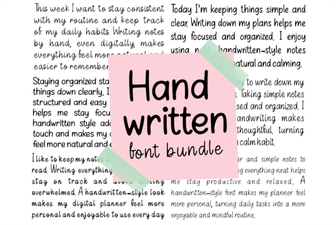 Creative Projects with Handwritten Font Bundles
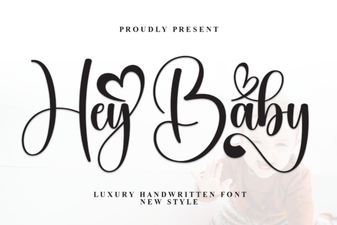 Hey Baby Font: Creative Uses for Your Designs
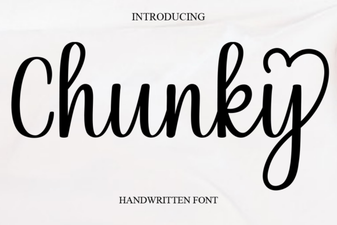 Creative Projects Using Chunky Font Styles
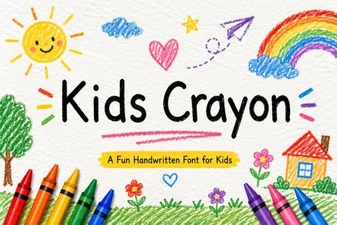 Creative Crayon Fonts for Kid-Friendly Designs
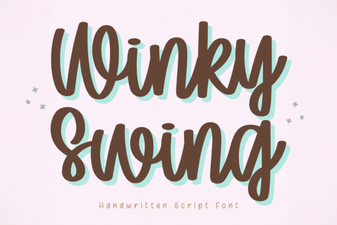 The Winky Swing Font for Creative Web Design
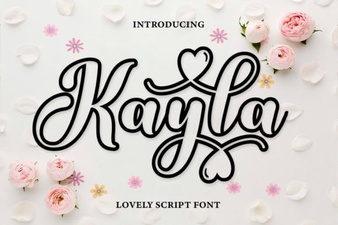 Craft with Kayla Outline Modern Font Design