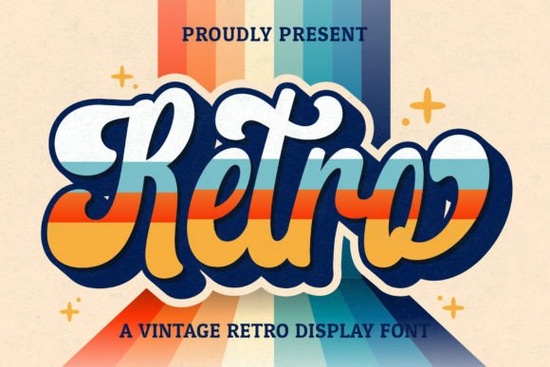
Why do customers respond better to nostalgic handwriting?
Nostalgic typography triggers instant familiarity. Shoppers pause longer when they see layouts that remind them of simpler times, which matters when selling custom mugs or wedding invitations. Unlike heavy block lettering that overwhelms small screens, a flowing script keeps messages readable while adding character. If you want to pair it with something playful, you might explore playful typography for family projects, which complements vintage themes well.
This typeface also comes with full PUA encoding. You can drop decorative swashes and alternate glyphs straight into Canva, Cricut, or Illustrator without digging through character maps. Just open your glyphs panel, pick a variant, and drag it in. This workflow saves hours when you are batching product mockups.
Which print-on-demand items showcase this script best?
Match the relaxed lettering to the right surface for clean results. Focus on:
- Apparel and tote bags where curved text sits cleanly on center panels.
- Event stationery like place cards and menu headers that need a personal feel.
- Packaging labels for candles, soaps, and small-batch goods.
For corporate contrast, pair the curves with a crisp clean modern sans serif to balance the composition. Keep the script large and supporting text simple for readability.
How do I keep delicate strokes intact during cutting?
Install the file, restart your software, and use the character panel to select alternate letterforms that connect smoothly. If you work with vinyl cutters, always convert text to paths before cutting. This protects thin lines during the weeding process. For seasonal projects, layer the script with heavier options like bold athletic lettering for posters, or use a holiday-themed display for winter merchandise. Summer layouts pair nicely with coastal inspired type underneath.
What spacing prevents overlap on dark fabrics?
Tighter connections look great at large sizes but blur quickly when scaled down. Keep line height around 1.5 times the font size. On dark textiles, add a thin outline to lift the letters, but skip heavy drop shadows that hide delicate connectors. Always test a single sheet on your actual printer before running commercial batches. Minor tracking adjustments fix awkward gaps between capitals and tails.
Are commercial licenses safe for marketplace sales?
Standard type licenses let you sell finished goods and digital printables, but never the raw font file. Check the included license document before uploading. For technical pairing advice or encoding details, review a reference guide about Retro Script Font to understand how glyphs map across different programs.
Quick checklist before you send files to print
- Convert to outlines before exporting to preserve swash shapes.
- Check contrast ratios by testing light and dark backgrounds.
- Scale slightly larger on fabric to survive stitching and heat pressing.
- Print a physical test to verify weeding time and material adhesion.
Always save layered originals before flattening, and keep a backup of your commercial project files in a cloud folder.
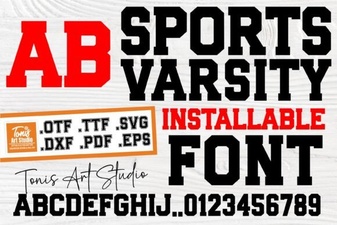 Varsity Fonts for Sports Design Projects
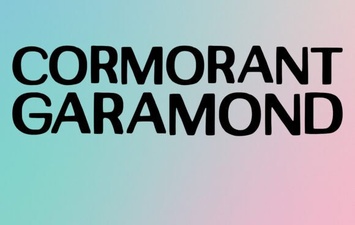 Cormorant Garamond: a Modern Classic Font
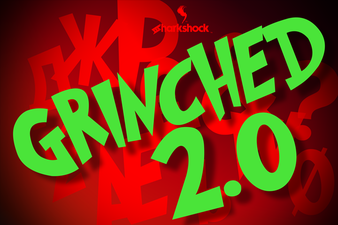 Grinched 2.0 Font Download & Christmas Design Ideas
 Designer Fonts: Creativity for Your Projects
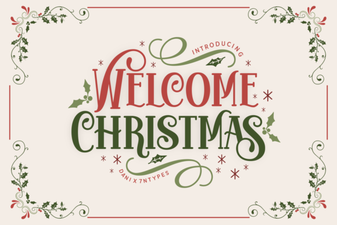 Festive Christmas Font Styles for Welcoming Designs
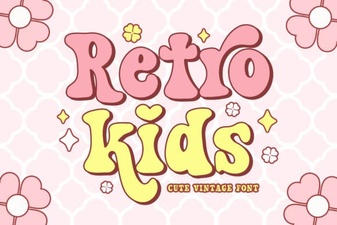 Retro Fonts for Creative Kids' Projects