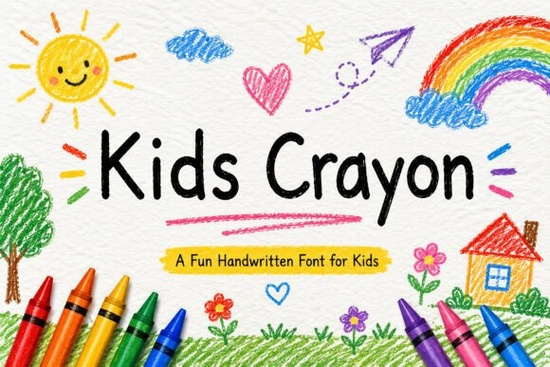
If you are designing materials for children, finding a typeface that feels authentic rather than overly polished can take extra time. Kids Crayon Font solves this by capturing the genuine look of a child’s handwritten strokes. It works well for teachers building classroom worksheets, crafters making nursery decor, and small business owners packaging handmade toys. The uneven edges and soft curves mimic actual crayon on paper, giving your projects an immediate sense of warmth.
What kind of projects work best with this handwritten style?
This typeface shines when your goal is to feel approachable and playful. Educational resources benefit from the friendly letter shapes, making reading exercises feel less intimidating for early learners. If you run a print-on-demand shop, you can apply it to birthday invitations, storybook covers, or sticker sheets. Crafters often pair it with simple shapes and pastel colors to match Cricut cutting mats. Unlike stiff geometric typefaces, the natural variation in each character helps your layouts look genuinely handmade rather than factory-produced.
How does it handle different design software and cutting machines?
Many users worry about compatibility when downloading new files, but this package includes standard OpenType features. It comes with uppercase and lowercase letters, full punctuation, and numbers, which covers most layout needs. Because it is PUA encoded, special characters appear correctly in Silhouette, Cricut Design Space, and other vector programs without extra formatting steps. Multilingual support means you can type in several European languages without missing accents. If you need a softer companion for contrast, exploring resources like playful rounded scripts gives you alternatives when you want a different mood on the same layout.
What makes this typeface stand out from other display options?
Hand-drawn files often sacrifice readability for style, but the spacing here remains consistent enough for body text in children’s materials. The stroke weight stays light, which prevents heavy ink pooling when printing on home or commercial printers. Small businesses notice faster workflow because the clean curves require less tracing before final production. When designing toy packaging, readability at small sizes matters just as much as personality. Pairing it with bold sans-serif text creates clear visual hierarchy without overwhelming young readers.
Where can you find matching typefaces for larger layouts?
Designers rarely use a single style across an entire brand. When you need a sturdy companion for headlines or legal text, look for options that share similar proportions but offer cleaner edges. Collections featuring chunky display styles often work well alongside textured strokes, providing balance without competing for attention. You might also notice how elegant signature styles can frame a playful layout when used sparingly in footers. If your project needs a more structured block style, browsing through bold display options helps maintain consistent spacing across multiple pages.
How should you prepare files for print or digital download?
After extracting the files, install the .otf or .ttf versions and restart your design program to see the full character set. Always check kerning between uppercase and lowercase pairs, as handwritten styles sometimes leave uneven gaps. Print a physical test sheet at multiple scales to verify readability under real lighting conditions. Keep the original package in a dedicated asset folder so you can return to it for future client revisions. Review the included license document carefully to confirm whether your planned merchandise falls under standard commercial terms. If you want a cleaner contrast for secondary text, reviewing minimal outline typefaces can help structure your supporting copy without distracting from the main design.
What should you check before finalizing your design files?
- Test the typeface at 10pt, 14pt, and 24pt to ensure the texture remains clear without turning blurry.
- Verify accented characters render correctly if your audience uses non-English names or phrases.
- Convert text to outlines only after saving an editable master copy for future updates.
- Check contrast ratios against background colors, especially on light gray or pastel paper stock.
- Confirm licensing matches your intended sales volume and platform rules before publishing.
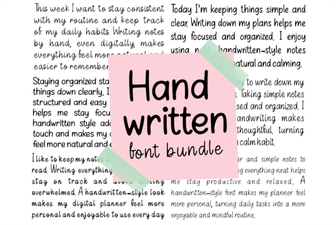 Creative Projects with Handwritten Font Bundles
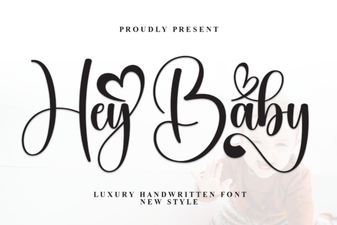 Hey Baby Font: Creative Uses for Your Designs
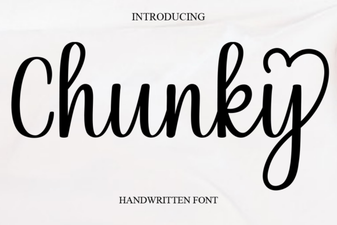 Creative Projects Using Chunky Font Styles
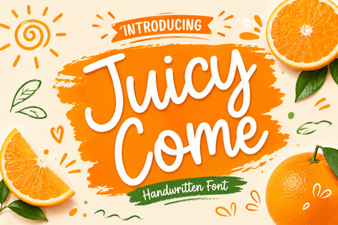 Juicy Come Font: Download & Creative Project Ideas
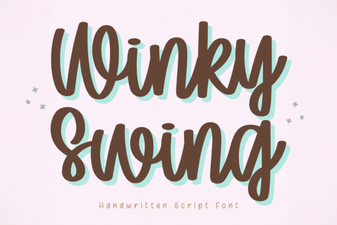 The Winky Swing Font for Creative Web Design
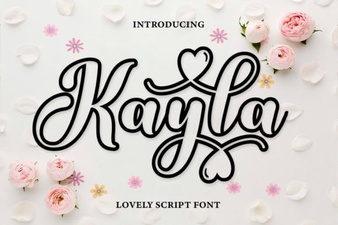 Craft with Kayla Outline Modern Font Design