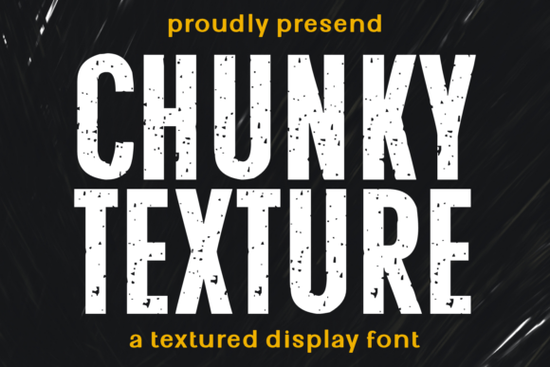
If you are looking for a typeface that instantly communicates grit and handcrafted character, the Chunky Texture Font is a straightforward choice for your next creative project. It brings a heavy, distressed look to your layouts without requiring extra brushes, manual erasing, or complex layer masks. Designers, print-on-demand sellers, and small business owners often pick this style when they want their visual assets to feel authentic and lived-in from the very first draft.
Unlike polished corporate typography, this grunge display typeface leans into raw edges and uneven ink bleed. That uneven quality actually works in your favor when you need to stand out in crowded marketplaces. It pairs well with minimalist grids, letting the rugged letters handle the visual weight while simpler design elements keep your message readable and organized.
What kind of projects work best with this style?
The strongest use cases usually involve physical products or spaces where wear and tear tells a real story. Here are a few directions where this typeface naturally shines:
- Streetwear and gym apparel: Bold, weathered lettering sits perfectly on heavyweight tees, caps, and fitness gear.
- Automotive and workshop branding: The steely, retro stamp feel matches garage culture and vintage poster art.
- Barber shop and craft coffee logos: It adds masculine weight and industrial charm to storefront signs and window decals.
- Outdoor signage and event merch: The distressed texture reads clearly from a distance and handles large-scale printing without losing its character.
When you are building a product collection for your shop, you might want to balance heavy display choices with lighter alternatives. If you need a slightly different grunge vibe, browsing options like the Grinched 20 display typeface can help you compare how different eroded styles behave on dark fabrics. You can also review the official styling examples to see exactly how these letters hold up on tote bags and automotive posters. For projects that lean more playful, you might also explore retro children’s display fonts, which keep the vintage energy but swap the heavy grit for softer, rounded shapes.
How do you get the most out of distressed typography?
Working with pre-textured letters saves time, but you still need to follow a few layout rules to keep your designs looking professional. The rough edges can easily swallow fine details, so spacing and contrast matter more than usual.
What spacing adjustments should you make?
Tight kerning often muddies distressed typefaces. Give each letter a little extra breathing room so the grunge elements do not clash or merge into illegible shapes. Track the words out slightly if you plan to place the text over complex backgrounds or dark photography. This simple adjustment keeps the characters legible while preserving the raw, stamped appearance.
How should you layer it with other elements?
Pair the heavy grunge letters with clean, thin sans serif or script fonts for your supporting copy. If you want a softer visual contrast, a vintage script typeface can add a human touch without fighting for attention. You can also experiment with subtle drop shadows or light background halftones, but avoid adding extra filters on top of an already textured alphabet. Let the original eroded details carry the look and keep your design files clean.
Does this typeface fit with modern design trends?
Yes, because the handmade aesthetic never really leaves the creative market. Buyers respond to typography that feels crafted rather than auto-generated. Small business owners use this approach for coffee packaging, workshop labels, and merchandise mockups because it signals quality and attention to detail. When you combine that authentic feel with modern layout grids and consistent branding, you get a balanced design that appeals to both heritage-focused and contemporary audiences.
Many creators build entire shop collections around specific typographic themes. If you are assembling a masculine brand kit or an industrial product line, you might also want to review a professional designer display selection to round out your font library. Having a few reliable workhorses in your system speeds up your workflow and keeps your mockups consistent across different product types.
How can you use this font in your next project?
The Chunky Texture package is ready for commercial use on digital and physical goods, which makes it a practical addition for POD stores and local print shops. Install it in your favorite design software, drop it into a simple layout, and test it on dark and light canvases before finalizing your files. You will notice how quickly the heavy letterforms establish a mood and draw the eye to your main message.
Start by picking one core project, like a coffee bag label or a concert poster. Apply the typeface, adjust the tracking, and export a test print. Once you see how the distressed edges interact with your actual paper or fabric, you will know exactly how to scale it for future listings. Keep a few mockup variations saved so you can quickly reuse the layout when new orders come in.
What should you verify before going live?
- Test the type on both dark and light backgrounds to confirm readability at different sizes.
- Increase letter spacing by 5–10 percent to prevent the grunge details from overlapping.
- Keep supporting copy clean and simple so the main headline stays the focal point.
- Export your design as a high-resolution PNG or print-ready PDF with CMYK settings for physical goods.
- Save a layered source file to adjust colors and swap mockups as your product line grows.
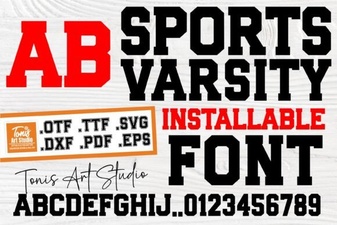 Varsity Fonts for Sports Design Projects
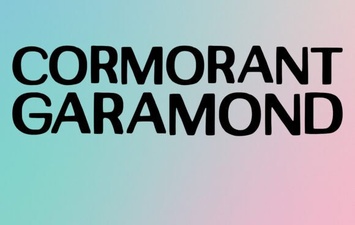 Cormorant Garamond: a Modern Classic Font
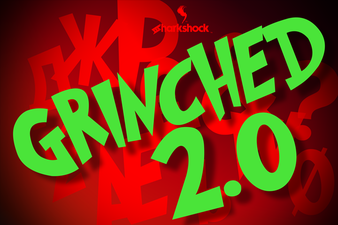 Grinched 2.0 Font Download & Christmas Design Ideas
 Designer Fonts: Creativity for Your Projects
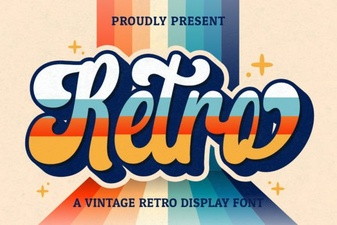 Retro Script Fonts for Creative Design Projects
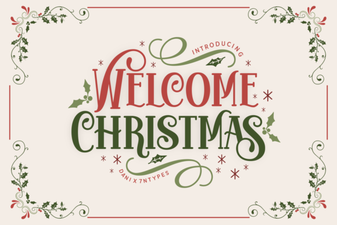 Festive Christmas Font Styles for Welcoming Designs