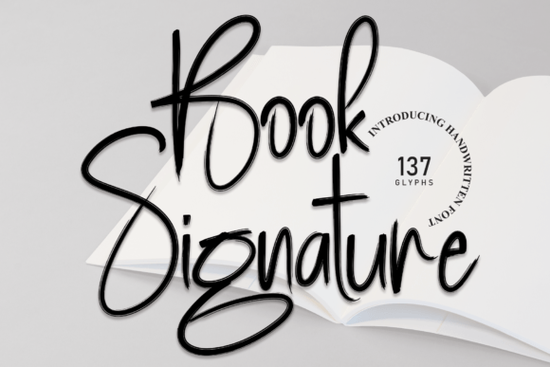
What makes this handwritten style work for everyday projects?
Many script typefaces rely on heavy flourishes that quickly become unreadable at smaller sizes. This font keeps its connections clean and maintains consistent stroke weight, meaning it works equally well in a small footnote or a large headline. The natural letter spacing prevents cramped layouts. If you struggle with scripts that tangle when scaled down, this alternative holds its shape across different print mediums.
Designers need type that adapts to multiple themes. This style fits wedding stationery, minimalist logos, and craft labels without forcing adjustments. When you need heavier visual weight for merchandise, explore a chunky script, but for delicate branding, these thin lines create a clean, sophisticated look. The curves mimic actual pen movement, helping physical products feel thoughtfully crafted.
Which projects actually benefit from this typeface?
Print-on-demand sellers see the best results with short phrases and names. Product titles and personalized quotes stand out when the lettering feels organic rather than rigid. It also works well for digital planners, social media templates, and packaging inserts. Pair it with muted color palettes or simple line art to maintain a boutique aesthetic that appeals to modern buyers.
For crafters using cutting machines, clean script lines directly impact weeding time. Smooth transitions mean fewer broken paths and faster production. You can blend this style with others to create visual contrast. Match it with a playful script for seasonal drops, or keep it sharp against a clean sans-serif. Many small businesses also layer it with a romantic handwritten font for apparel and tote designs.
When placing text on curved surfaces like mugs, keep the baseline straight to prevent delicate strokes from stretching unnaturally. Small shop owners also save time by setting up a master template with pre-approved tracking values. For those looking specifically at this style, the official script font page offers extra layout examples.
How do I set it up for the best visual results?
Getting clean results comes down to spacing and hierarchy. Increase your line height slightly for longer quotes to stop ascenders from overlapping. If you want to compare how different scripts render in your software, browsing through Book Signature collections helps you see what scales best.
- Keep text concise. Scripts perform best with three to five words per line.
- Adjust tracking. Add slight spacing to stop curves from merging on textured paper.
- Test contrast. Preview on both light and dark backgrounds before finalizing.
What should I avoid in commercial layouts?
Overcrowding the canvas is the most common mistake. Layering multiple decorative fonts removes your focal point quickly. Use one handwritten typeface per design and rely on size variation to guide attention. Always review licensing terms before selling finished products. Commercial licenses typically cover printed goods, but font file redistribution is restricted. Check the creator’s usage policy to keep your shop compliant.
If your project targets younger audiences, a hand-drawn crayon style fits that niche better. For elegant, everyday branding, this delicate script removes guesswork with balanced proportions. Focus on clear hierarchy and let the typography speak without cluttering the rest of your artwork.
Quick checklist before exporting
Run through these steps to catch layout issues before printing:
- Zoom to actual size and verify curves stay sharp.
- Check line breaks to prevent awkward mid-phrase splits.
- Print a test or view on mobile to confirm legibility.
- Save a layered master file for future spacing tweaks.
- Export at 300 DPI in PDF or PNG for production.
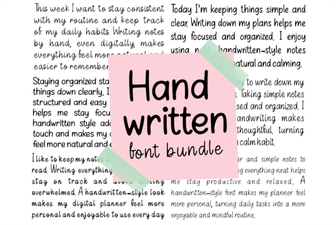 Creative Projects with Handwritten Font Bundles
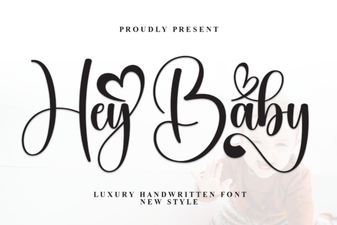 Hey Baby Font: Creative Uses for Your Designs
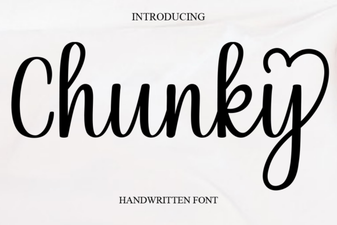 Creative Projects Using Chunky Font Styles
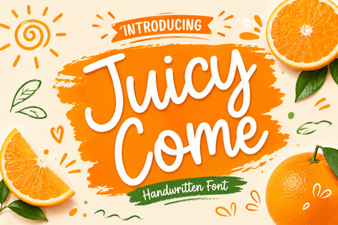 Juicy Come Font: Download & Creative Project Ideas
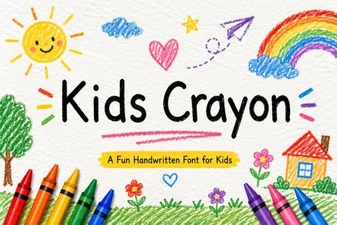 Creative Crayon Fonts for Kid-Friendly Designs
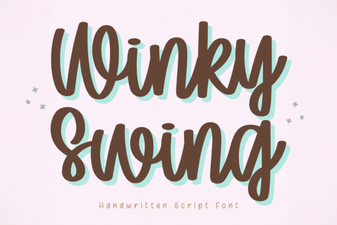 The Winky Swing Font for Creative Web Design