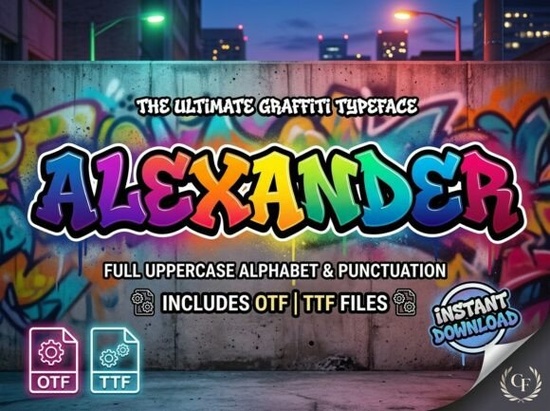
Choosing a display typeface that stands out without looking cluttered takes time, but the Alexander Font collection offers a practical solution for makers who need strong visual impact. This typeface was built to act as the focal point of any layout, using carefully crafted curves and distinct artistic details that immediately draw the eye. Whether you are drafting a storefront sign, preparing a social media campaign, or uploading your first design to a print-on-demand store, having a reliable decorative font saves hours of tweaking letter spacing and adding unnecessary effects.
Why does this style work better than standard display options?
Most decorative typefaces either lean heavily into intricate swirls or strip away so much detail that they feel flat. The typeface sits in a balanced middle ground. Each letterform carries a hand-drawn quality while keeping clean edges that remain readable at various sizes. When placed over a textured background or paired with simple sans-serif body copy, the contrast naturally highlights your message. Designers and small business owners often worry that artistic typography will clash with brand guidelines. In practice, these letterforms adapt well when treated strictly as headline elements. The built-in character shapes do not rely on heavy drop shadows, which means your files stay lightweight and print-ready straight from the export window.
Where should I use it in real projects?
This style shines when it carries the most important information on the page. Think of it as the visual anchor that holds the layout together. Here are the most effective ways to put it to work:
- Poster and flyer layouts: Headlines grab attention from across the room while leaving space for event details.
- Brand identity and logos: Creative shops can build memorable marks that feel custom without hiring a lettering artist.
- Apparel and merchandise: The bold strokes translate cleanly onto T-shirts, tote bags, and mugs through screen or direct-to-garment methods.
- Social media graphics: Quote posts and announcement banners stand out in crowded feeds when paired with solid color blocks.
- Product packaging: Labels and box faces gain a premium, gallery-ready appearance that helps items move off the shelf.
- Music and event artwork: Album sleeves and festival posters benefit from the energetic rhythm the letters bring to the composition.
I usually recommend keeping the text short. Display fonts perform best with three to six words. Let the natural curves breathe instead of squeezing in secondary information.
Will it work on my current design tools and cutting machines?
Compatibility rarely causes problems with modern packages. The files install directly on Windows and macOS systems and register instantly in major design programs. You can drag them into Adobe Illustrator, Photoshop, and InDesign for precise layout control. If you prefer a faster workflow, they load cleanly in Canva, Microsoft Word, and web-based editors.
Crafters will appreciate that the outlines hold up well in cutting software like Cricut Design Space. Simply convert the text to paths before sending the design to your plotter. This step removes any tiny inner counters that might peel during the weeding process. For a closer look at the character set and installation steps, you can review the Alexander Font package details directly on the marketplace.
How do I pair it without creating visual noise?
A common mistake with decorative typography is pairing it with equally complex scripts. Keep your supporting text simple. A neutral sans-serif creates a quiet background that lets the main letters take center stage. Use the display typeface for the hook, then drop the weight and size for secondary details like dates or pricing. If you need a subtle accent, an italicized weight often reads better than another stylized option. Avoid underlining long paragraphs; reserve it for short call-to-action lines instead.
Before starting your next file, keep this quick checklist nearby:
- Install the files on your primary device and restart your software to clear cache issues.
- Set your headline size between 36 and 72 points for digital use.
- Check contrast ratios against your background; light lettering on dark surfaces usually shows off the curves better.
- Convert text to outlines before sending to printers or vinyl cutters.
- Save a layered source file alongside exported PNG and PDF versions for future edits.
Testing a single layout with these steps will show you exactly how the typeface handles your specific color palette and image choices. Once you see it in context, you can build a consistent template library for future campaigns or product drops.
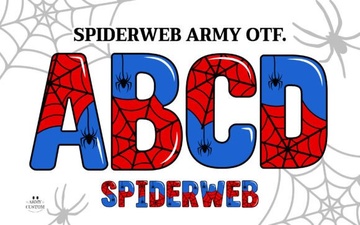 Spiderweb Army Font: Design Tips & Creative Projects
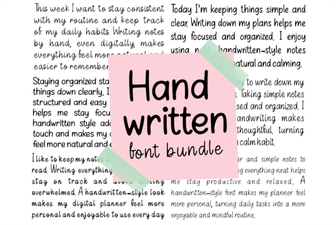 Creative Projects with Handwritten Font Bundles
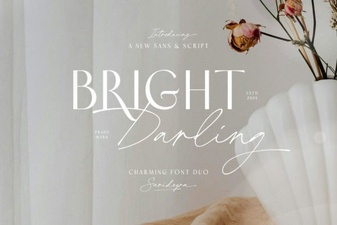 The Bright Darling Duo Font for Creative Projects
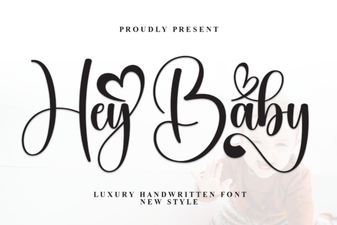 Hey Baby Font: Creative Uses for Your Designs
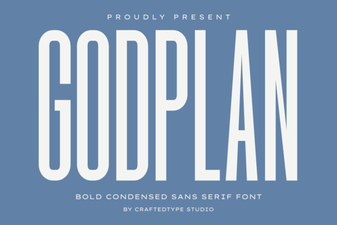 Godplan Font: Creativity in Typography Design
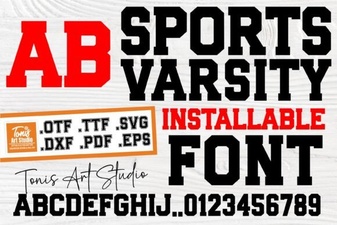 Varsity Fonts for Sports Design Projects