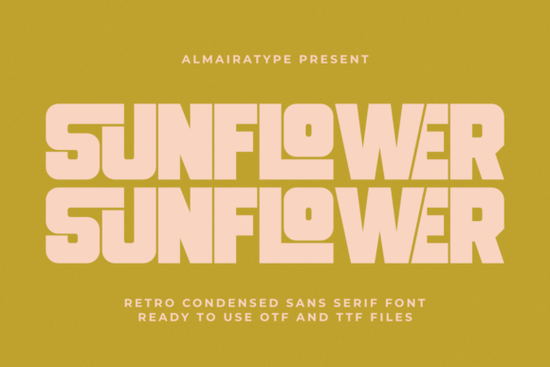
What makes this typeface work for vintage-style projects?
The main strength of a condensed design lies in space efficiency. Rather than spreading wide across a banner, the compressed width allows you to stack words or place long brand names side-by-side without shrinking the text size. This typeface features consistent stroke weights and subtle geometric curves that mimic classic analog printing. If you have worked with older poster layouts, you will recognize how the uniform thickness keeps visual weight even across all characters.
Vintage warmth comes from rounded corners and balanced proportions. These elements prevent the letters from looking harsh or overly industrial. When placed over textured backgrounds or muted color palettes, the type maintains clear edges. Designers building identities for local cafes or heritage brands use this approach to create a familiar yet professional aesthetic.
How can crafters and print-on-demand sellers apply this font?
For makers who rely on cutting machines, clean vector paths matter. This design is built with closed contours and steady line thickness, allowing blades to follow smooth routes without jagged stops. Flawless weeding becomes much easier when producing small details like vinyl mug wraps or layered sticker batches. Because the shapes avoid unnecessary overlaps, finished cuts release cleanly from transfer tape every time.
Print-on-demand businesses also benefit from the tight spacing when designing apparel. The compressed structure lets you fit longer slogans across chest areas without forcing awkward breaks. Many sellers pair it with minimal line art or block colors to keep the artwork print-ready and visually sharp.
Quick application tips:
- Use it for primary headlines on tags or posters where layout space is tight.
- Keep line height near 1.3 when placing it beside secondary text.
- Skip heavy drop shadows, as the solid strokes already provide enough contrast.
What similar options should you explore for different project tones?
Every layout requires a slightly different voice. If you prefer a softer pairing, explore the script pairing options, while rugged outdoor layouts might call for something more textured. For elegant packaging, check the elegant serif alternative. Designers focusing on sharp, modern logos often browse modern geometric styles. You can also compare the Bright Darling Duo Font, the Bourgueil Font, and the Godplan Font to see which matches your project. Finally, visit full weight options or review the marketplace listing directly.
What should you check before adding it to your workflow?
Professional results depend on proper file handling. Before loading it into your software, open the samples to verify baseline alignment. Test common letter pairs like “WA” or “To” to see how spacing behaves in your specific program. If you plan to sell printed goods, review the license file to confirm commercial usage rights. Most teams keep a shared folder with font files and tracking presets so every project stays consistent.
Next steps before your next design session:
- Install the licensed version in both your design editor and cutting app.
- Type your most-used phrases and test them at 12pt, 24pt, and 48pt.
- Run a small vinyl cut on scrap material to confirm blade pressure settings.
- Save default tracking and spacing values to speed up future layouts.
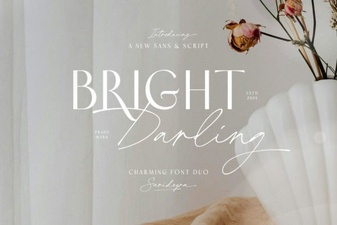 The Bright Darling Duo Font for Creative Projects
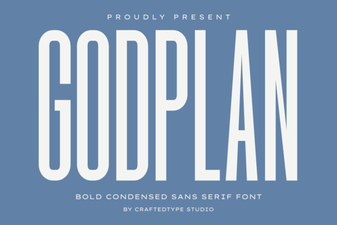 Godplan Font: Creativity in Typography Design
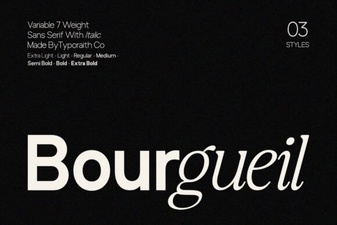 Bourgueil Font: Creative Typography for Modern Designs
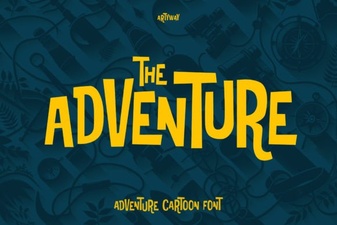 Explore Creative Adventures with Unique Font Design
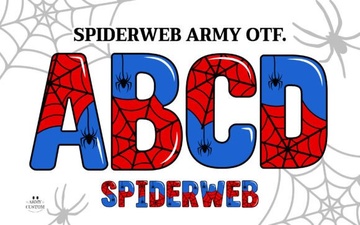 Spiderweb Army Font: Design Tips & Creative Projects
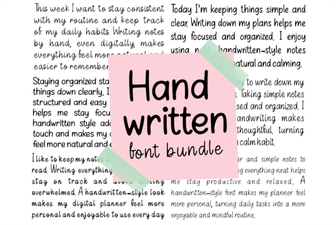 Creative Projects with Handwritten Font Bundles