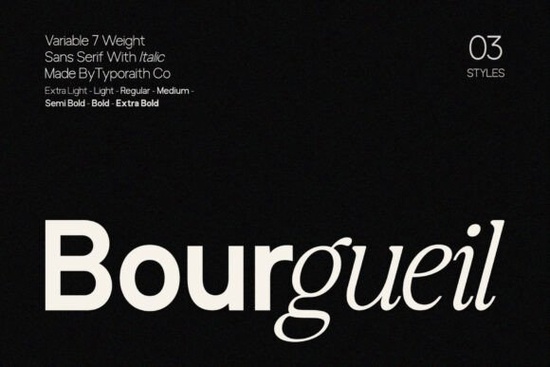
Starting a new branding package or refreshing your online shop often means sorting through dozens of typeface options. You need something readable, flexible, and professional without spending hours tweaking settings. The Bourgueil Font solves that problem by offering a clean, variable sans serif structure that adapts easily to both digital screens and physical products. With seven adjustable weights and a matching italic family, it handles everything from fine print labels to bold homepage headers while keeping your layout balanced.
What makes a variable typeface easier to manage for everyday design work?
Variable fonts simplify your workflow since a single file replaces multiple separate styles. When you are designing merchandise for print-on-demand stores or building a quick social media template, sliding between weights takes seconds rather than hunting through folders. The balanced geometry ensures letters sit neatly on grid lines, which helps maintain consistent spacing across magazine layouts, product mockups, and web interfaces.
Visual hierarchy on busy pages often feels difficult to control. This typeface fixes that issue by offering smooth weight transitions that guide the reader’s eye without feeling heavy. This makes it highly practical for shop owners who manage their own graphics and need reliable results across different formats.
Which companion fonts work best when pairing styles?
Mixing typefaces requires a light touch. Since this sans serif family carries strong modern proportions, it pairs cleanly with display faces or handwritten accents. If you want to explore other clean options for your project, you might want to visit these curated geometric resources to see how different x-heights interact alongside Godplan. For softer editorial layouts, pairing with a delicate script creates nice contrast. This approach works well for digital planners and custom stickers.
When building a full brand identity, consider how each weight behaves next to other type choices. Browsing modern neutral collections shows how simple backgrounds let decorative faces shine. If your project leans more toward playful branding, you can also check versatile pairing templates that demonstrate how to balance structure with creative flair, especially when working with Sunflower or Bright Darling Duo.
How do I get the clearest results for print and digital screens?
Screen readability depends heavily on tracking and weight selection. Keep body text between regular and medium to avoid pixel bleeding on standard displays. For printed items like tote bags, posters, or packaging tags, push toward bold so the letters hold their shape against textured surfaces. Tracking usually shifts between media, so tighten spacing for multi-line headlines and add breathing room for short logos.
If you are new to typography spacing, reviewing practical layout guides can show you how negative space changes readability, especially when comparing against Adventure. Read your text at full size, and open tracking slightly if lines feel crowded.
Where should you test this typeface before committing to a full project?
Never pick a typeface based on a single sample. Build a quick mockup that mirrors your real-world use case. Create three layouts using your actual copy, test them on your phone, print one on standard paper, and view them on a second monitor. Capitalization consistency and punctuation weight become obvious only in context. You can also browse similar contemporary options to compare how geometric structures behave across different projects.
Always verify software export settings. Save files as PDF for professional printing and PNG for web listings. Check for spacing shifts after conversion to prevent costly reprints.
What is the fastest way to set up your design template for this font?
- Install the variable file before opening your design document.
- Set paragraph styles to regular weight at 14–16px for screens and 10–12pt for print.
- Build a headline style using bold with tracking reduced by -2.
- Add an italic secondary style for captions, keeping it slightly smaller than body text.
- Export test files in both CMYK and RGB to compare crispness side by side.
Next, open a blank canvas, apply these five baseline styles, and drop in your actual content. Test one layout on a mobile device and one as a physical printout. Once the spacing feels balanced, duplicate the template for future projects to keep your branding consistent and save hours of manual adjustments.
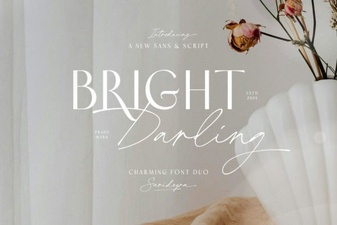 The Bright Darling Duo Font for Creative Projects
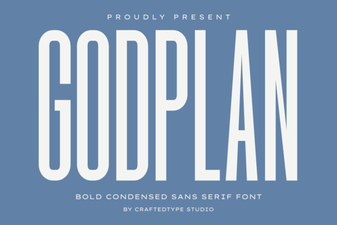 Godplan Font: Creativity in Typography Design
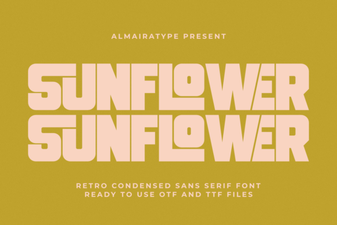 Sunflower Font: Creative Project Ideas & Tips
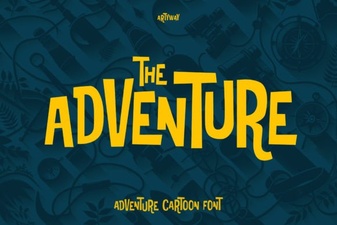 Explore Creative Adventures with Unique Font Design
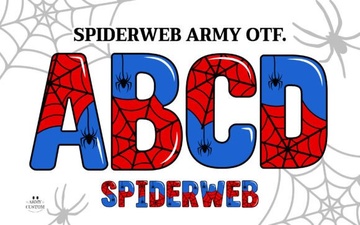 Spiderweb Army Font: Design Tips & Creative Projects
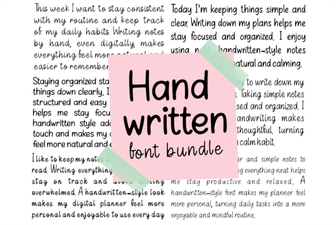 Creative Projects with Handwritten Font Bundles